
High-end interior design transcends mere aesthetics; it combines functionality, artistry, and luxury to create environments that resonate with the soul. The process of crafting these exquisite spaces involves meticulous planning and execution, rooted in a deep understanding of the client’s desires and lifestyle. This article delves into the various stages involved in bringing high-end interiors from an initial concept to a magnificent completion, showcasing the artistry behind this often overlooked discipline.
Understanding the Client’s Vision
The cornerstone of any successful high-end interior design project is an intimate grasp of the client’s vision. Designers engage in extensive discussions to uncover not just the aesthetics but also the emotional triggers behind their clients’ choices. This often involves exploring personal tastes, lifestyle needs, and even dreams. High-end design is more than just beautiful furniture and colors; it’s about crafting an atmosphere that feels personal and unique.
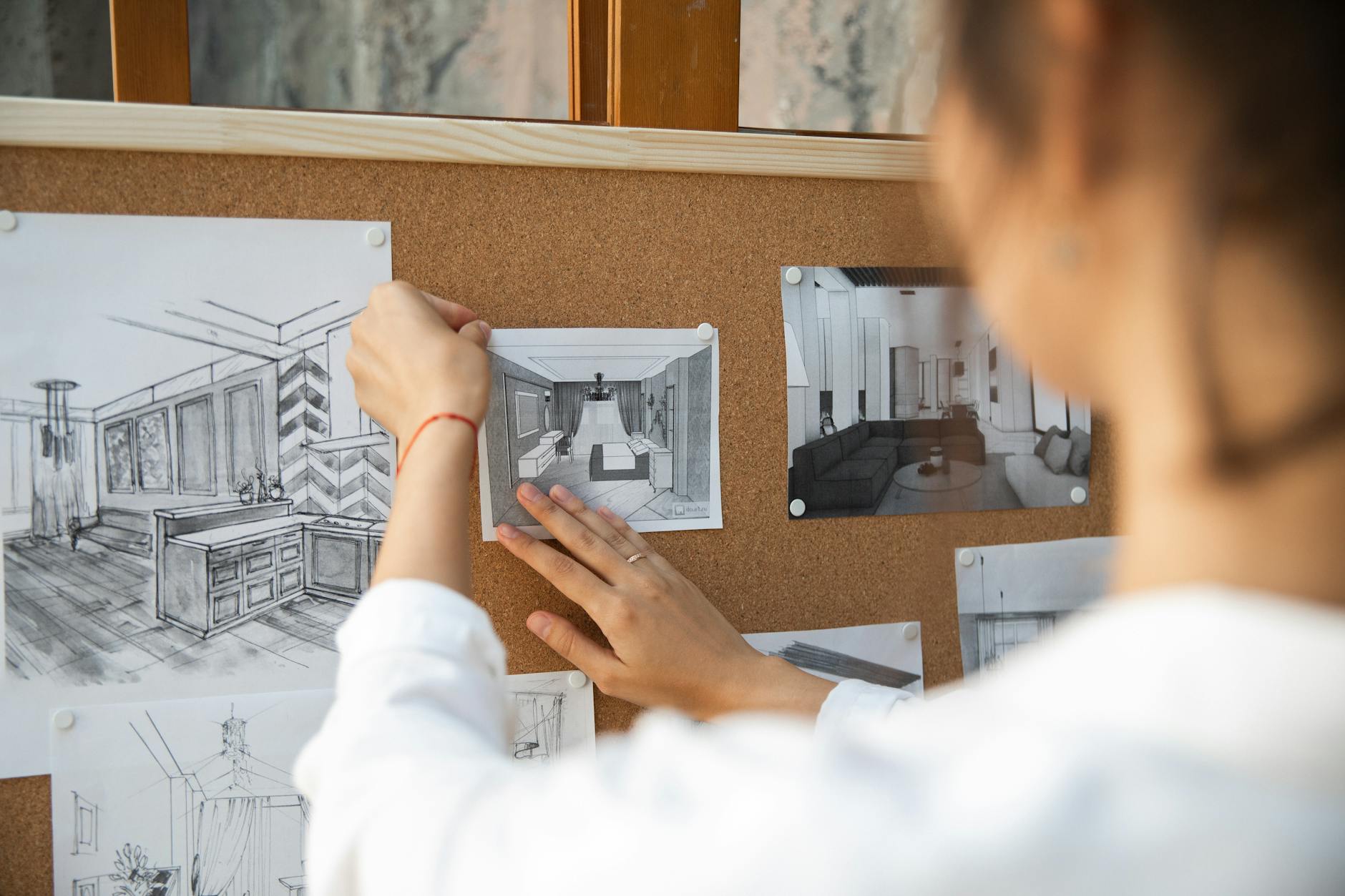
Through mood boards and concept sketches, designers translate these visions into tangible representations. These boards typically feature textures, color palettes, and images of furniture and accessories that align with the client’s desires. This stage is critical in establishing a clear guide for the project ahead and ensuring that all parties share a common understanding of the desired outcome.
“High-end interior design is not just about filling a room with expensive pieces; it’s an art that requires precision and empathy.”
Holistic Space Planning
Once the vision is clearly defined, the next step is holistic space planning. This phase revolves around the functional use of space while maintaining design integrity. High-end interiors often showcase a blend of luxury and comfort, which requires meticulous consideration of how each area will be utilized.
Designers sketch detailed floor plans that account for both aesthetic appeal and practical functionality. This could involve creating open layouts that invite natural light or ensuring intimate spaces for relaxation. In high-end projects, every element is purposefully curated, from the placement of furniture to the selection of materials. Consequently, the designer must balance various aspects, including acoustics, flow, and social dynamics, which can greatly influence how a space is perceived and enjoyed.
Selection of Materials and Finishes
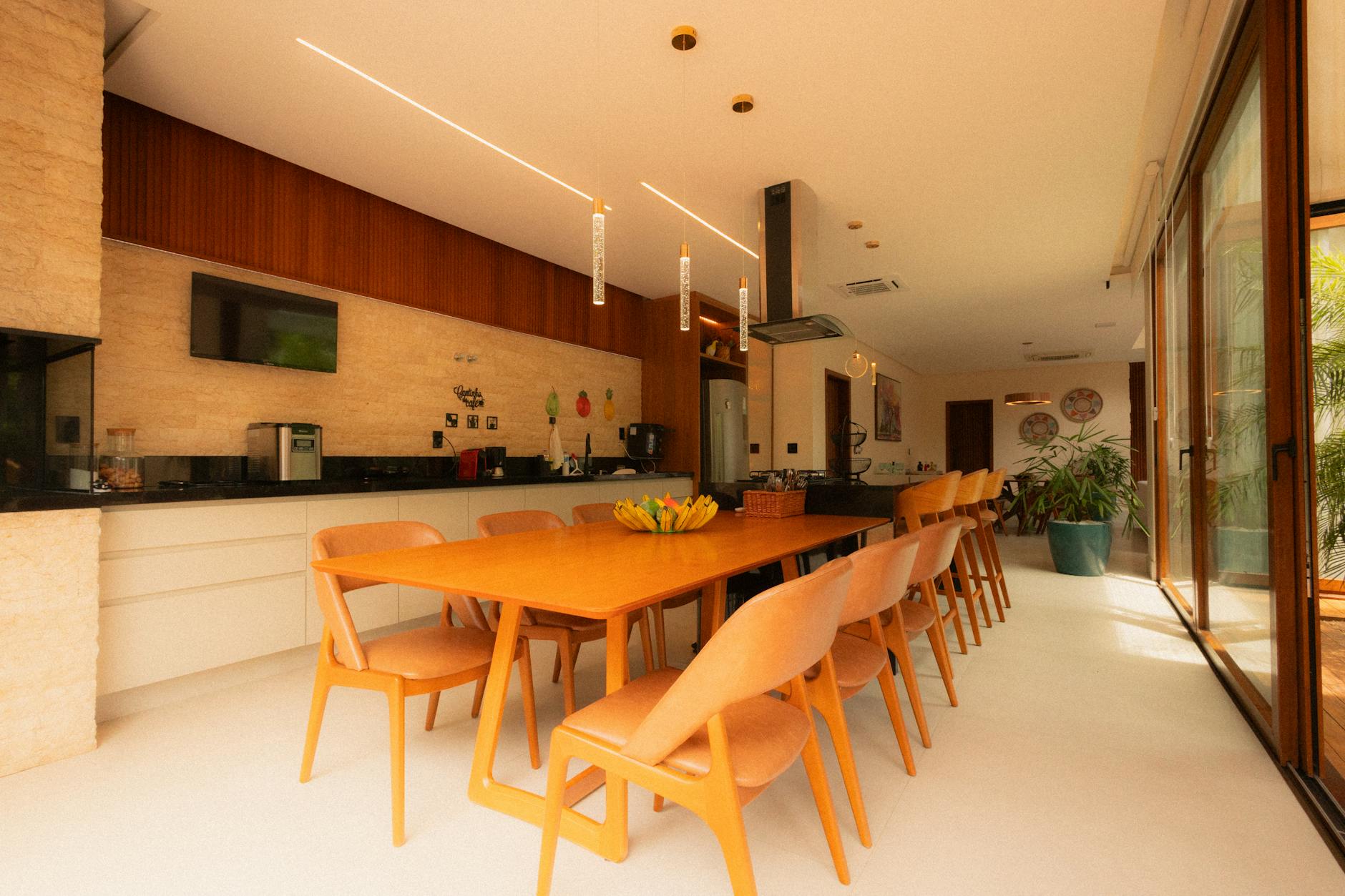
The selection of materials and finishes plays a pivotal role in defining the luxurious feel of high-end interiors. Designers often opt for premium materials like natural stone, hardwoods, and custom fabrics. These not only enhance the visual appeal but also promise durability and longevity. An essential aspect of this process is sourcing unique materials that tell a story, whether it’s reclaimed wood with history or artisanal textiles that exemplify craftsmanship.
In addition to choosing materials, finishes must be carefully considered. From the sheen of a paint finish to the texture of upholstery, every detail contributes to the overall ambiance. High-end designs frequently utilize layered finishes to create depth—mixing matte and gloss, or pairing soft fabrics with hard textures, creates a more vibrant and inviting atmosphere. Ultimately, the right combination of materials and finishes ensures a timeless aesthetic that resonates with elegance.
“Luxury is in each detail.”
Custom Furniture and Artistry
A hallmark of high-end interiors is the emphasis on custom furniture and artistic elements. Designers often collaborate with artisans to create bespoke pieces tailored to the specific needs and aesthetic of the space. This commitment to custom craftsmanship allows for innovation and personalization that off-the-shelf products cannot achieve.
Incorporating unique art pieces—be it sculptures, paintings, or installations—also enriches the interior. These elements serve as focal points that evoke emotion and spark conversation, providing depth to the design narrative. The selection of artwork should resonate with the client’s personality and complement the overall theme of the space, ensuring that every piece feels intentional.
Lighting: The Soul of the Space
Lighting is often referred to as the “soul of the space,” and in high-end interior design, it plays an indispensable role in evoking mood and atmosphere. A well-planned lighting design incorporates natural light while enhancing artificial sources to create warmth and elegance. Designers carefully select fixtures that not only serve functional purposes but also act as statement pieces themselves.
Layering lighting through ambient, task, and accent sources allows for versatility and enhances the dimensionality of the space. High-end interiors often incorporate smart lighting systems that can be adjusted to suit various activities or moods, from intimate gatherings to vibrant celebrations. This thoughtful approach transforms how the space is experienced throughout different times of the day and enhances the overall luxury of the environment.
“Good lighting is essential, as it determines how the colors and materials will be perceived.”
Styling and Final Touches
The final phase of creating high-end interiors is styling and adding personal touches. This stage involves the selection of accessories, such as decorative pillows, art, rugs, and other finishing elements that tie the space together. The goal here is not to clutter but to curate a selective arrangement that enhances the existing design while reflecting the client’s personality.
A thoughtful approach to styling can significantly elevate a design, bringing elegance and vibrancy without overwhelming the space. Designers often incorporate seasonal décor or rotating art collections to keep the environment dynamic and fresh. The culmination of these final touches is what transforms a beautifully designed space into a luxurious retreat, epitomizing the client’s vision and lifestyle.
Completion and Reflection
As the project nears completion, a final walkthrough allows both the designer and client to reflect on the journey from concept to execution. This is a moment of appreciation where the meticulous planning, artistic choices, and personal touches come together to form a cohesive, luxurious interior. It’s also an opportunity to make any last adjustments, ensuring that every detail aligns with the client’s expectations.
In the world of high-end interiors, the journey is as crucial as the destination. Each phase of the design process interweaves creativity with strategy, resulting in spaces that not only look stunning but also feel profoundly personal. The work does not end with completion; high-end interior design also embraces ongoing relationships, where designers remain available for future adjustments or enhancements, ensuring the space evolves alongside the client’s needs.
In summary, the creation of high-end interiors is an intricate dance between art and practicality, imagination, and execution. With a focus on understanding the client’s vision, meticulously planning spaces, and selecting unique materials and finishes, skilled designers transform mere rooms into extraordinary living experiences.
