
The realms of art, fashion, and society are not merely parallel streams; they are deeply intertwined, influencing and reflecting one another in a continuous flow. From haute couture runways to the brushstrokes of contemporary artists, the creative expressions found in these domains serve as mirrors to our cultural zeitgeist. In this exploration, we will unravel how these three spheres converge, examining the roles of societal shifts and technological advancements in shaping our visual and stylistic narratives.
The Influence of Art on Fashion
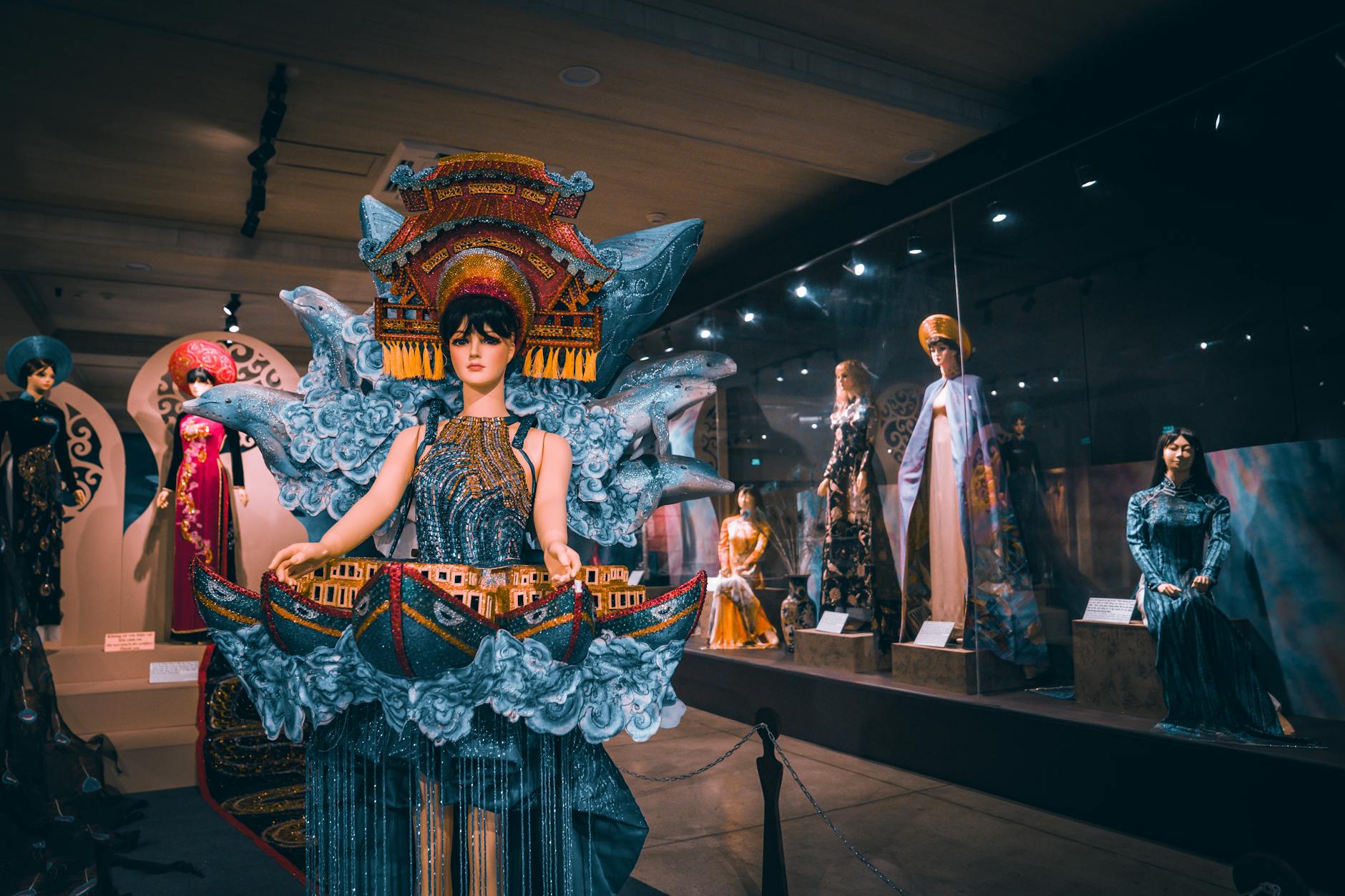
Art has long served as a wellspring of inspiration for fashion designers, with movements like Impressionism, Cubism, and Surrealism leaving indelible marks on the garments we wear. Designers such as Yves Saint Laurent famously drew from the works of artists like Piet Mondrian, effectively blurring the lines between canvas and clothing. Today, collaborations between designers and artists have become commonplace, resulting in unique collections that elevate fashion into a form of wearable art.
Moreover, fashion houses increasingly feature art as a fundamental element of their brand identity. For instance, the incorporation of artistic prints and techniques allows brands to tell stories and evoke emotions through their collections. The rise of DIY fashion and bespoke garments, enabled by platforms that promote individual craftsmanship, reflect a growing movement towards personal expression rooted in artistic endeavors. This trend not only democratizes fashion but also emphasizes the significance of art as a source of inspiration and innovation.
The Societal Lens: Reflecting Cultural Shifts
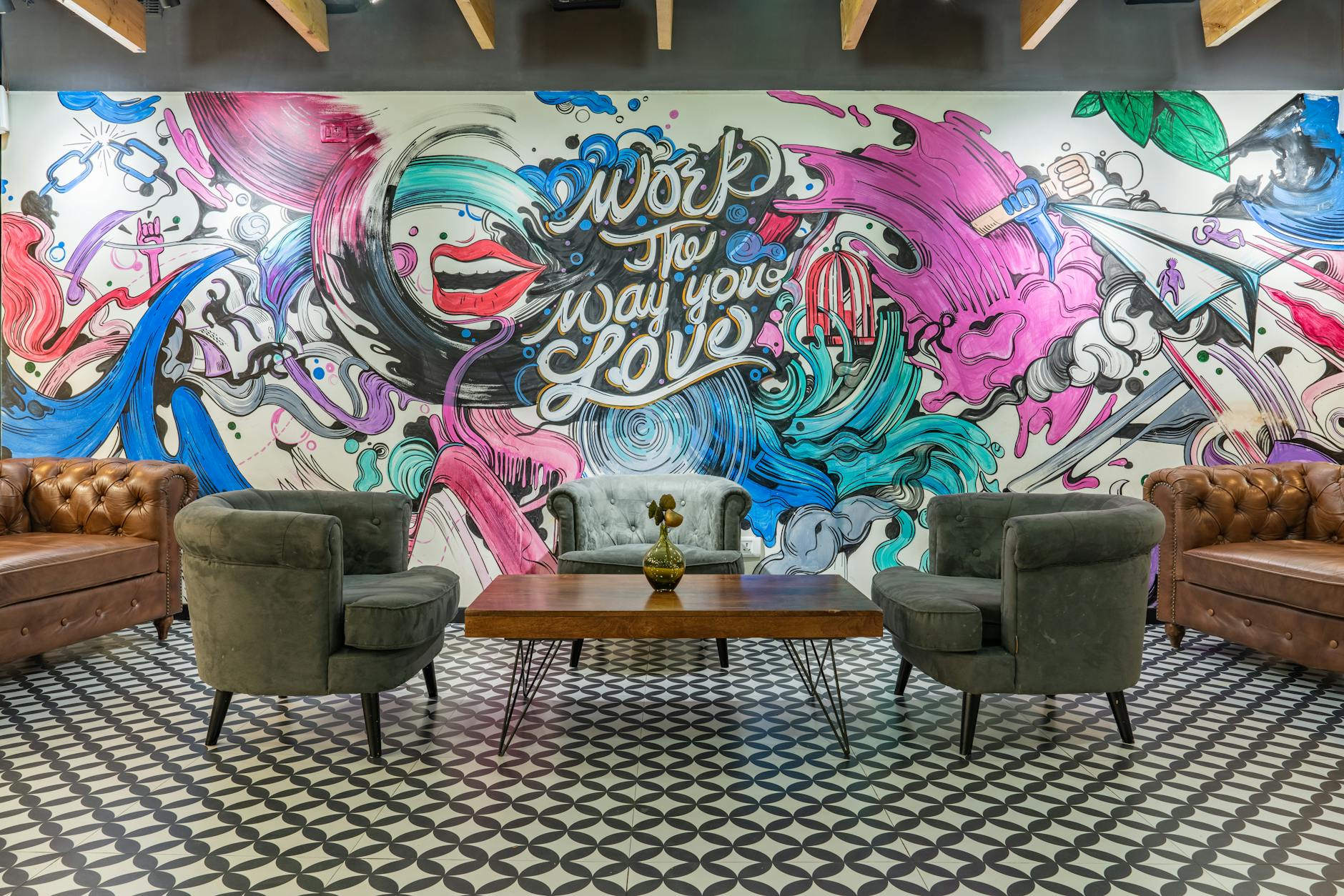
In addition to its influence on fashion, art serves as a powerful reflection of societal changes. Throughout history, art has documented pivotal moments such as war, civil rights movements, and social change. The emergence of street art and graffiti as significant cultural phenomena illustrates how artists respond to and critique societal issues. This form of art transcends traditional galleries and directly engages with the public, making bold statements and challenging the status quo. Artists like Banksy and Shepard Fairey utilize their work to raise awareness about pressing global challenges, from environmental crises to systemic inequalities.
Fashion, in turn, mirrors these societal shifts. The rise of the feminist movement in the 1960s inspired designs that championed women’s independence and empowerment; for example, the iconic mini skirt became a symbol of liberation. Today, current trends such as gender-fluid clothing and body positivity in fashion showcase a broader acceptance of diverse identities and expressions. The blending of gender lines in clothing, along with the incorporation of sizes and styles that celebrate all body types, serves to reflect our evolving societal values.
The Role of Technology in Shaping Trends
The intersection of technology, art, and fashion has given rise to new avenues for creation and expression. Digital art has proliferated in recent years, leading to innovative designs and the birth of virtual fashion. Designers are increasingly leveraging augmented reality (AR) and virtual reality (VR) to craft experiences that blur the boundary between the physical and digital realms. This technological shift allows for immersive storytelling that can redefine how we interact with fashion and art.
Furthermore, social media has transformed the landscape for both artists and designers. Platforms like Instagram and TikTok have democratized access to audiences, enabling them to showcase their creations and garner feedback in real-time. Viral trends often emerge from these spaces, leading to an instantaneous exchange of ideas that propel both art and fashion into the public sphere. The concept of the ‘influencer’ has redefined how fashion is marketed, with individuals who possess a unique aesthetic ability to shape consumer preferences and societal standards.

Art and Fashion as Agents of Change
The overlap between art, fashion, and society is not just a matter of inspiration; it serves as an essential platform for activism and change. Many designers and artists utilize their craft to advocate for important social causes, employing their visibility to mobilize communities and support movements. The recent surge in sustainable fashion reflects heightened awareness around environmental issues, with designers rethinking materials and production methods to minimize their ecological footprint. This movement has garnered broad support from artists who integrate advocacy into their work, further emphasizing the idea that creativity and responsibility can coexist.
Additionally, art and fashion play significant roles in shaping collective memory and identity. Fashion exhibits, such as the Costume Institute’s annual Met Gala, often serve as vehicles for exploring cultural narratives, highlighting the significance of clothing as an extension of identity. Appropriation and representation remain crucial topics of discussion, where artists and designers alike must navigate the delicate balance between inspiration and exploitation. Thought-provoking installations and fashion shows challenge viewers to confront these issues, fostering dialogue around inclusion and the impact of historical contexts on modern design.
The potential for art and fashion to serve as agents of change is underscored by their ability to reach emotional depths and provoke discourse. As we engage with these realms, we are invited to not only appreciate aesthetics but to also reflect on how they relate to our collective experience.
In conclusion, the relationship between art, fashion, and society is a dynamic and multifaceted one. Each domain influences and inspires the others, creating a rich tapestry of cultural expression. As we navigate an era marked by rapid change and innovation, it is essential to recognize the potential of this interplay to shape our understanding of identity, creativity, and responsibility. Ultimately, the blending of these vibrant fields signifies not just a trend but a profound cultural dialogue that continues to evolve, reflecting who we are and who we aspire to be.
