
Gardens have a unique ability to enchant us, to transport us into realms of beauty and tranquility. While many gardens are celebrated for their grandeur and public accessibility, hidden gardens—those tucked away from the bustling crowds—offer an intimate connection with nature. These secluded spaces often showcase unique flora, serene landscapes, and a sense of wonder that invites exploration. Let us wander through some of the most beautiful hidden gardens around the globe, where tranquility reigns and beauty unfolds in unexpected ways.
The Tranquil Allure of the Japanese Zen Gardens
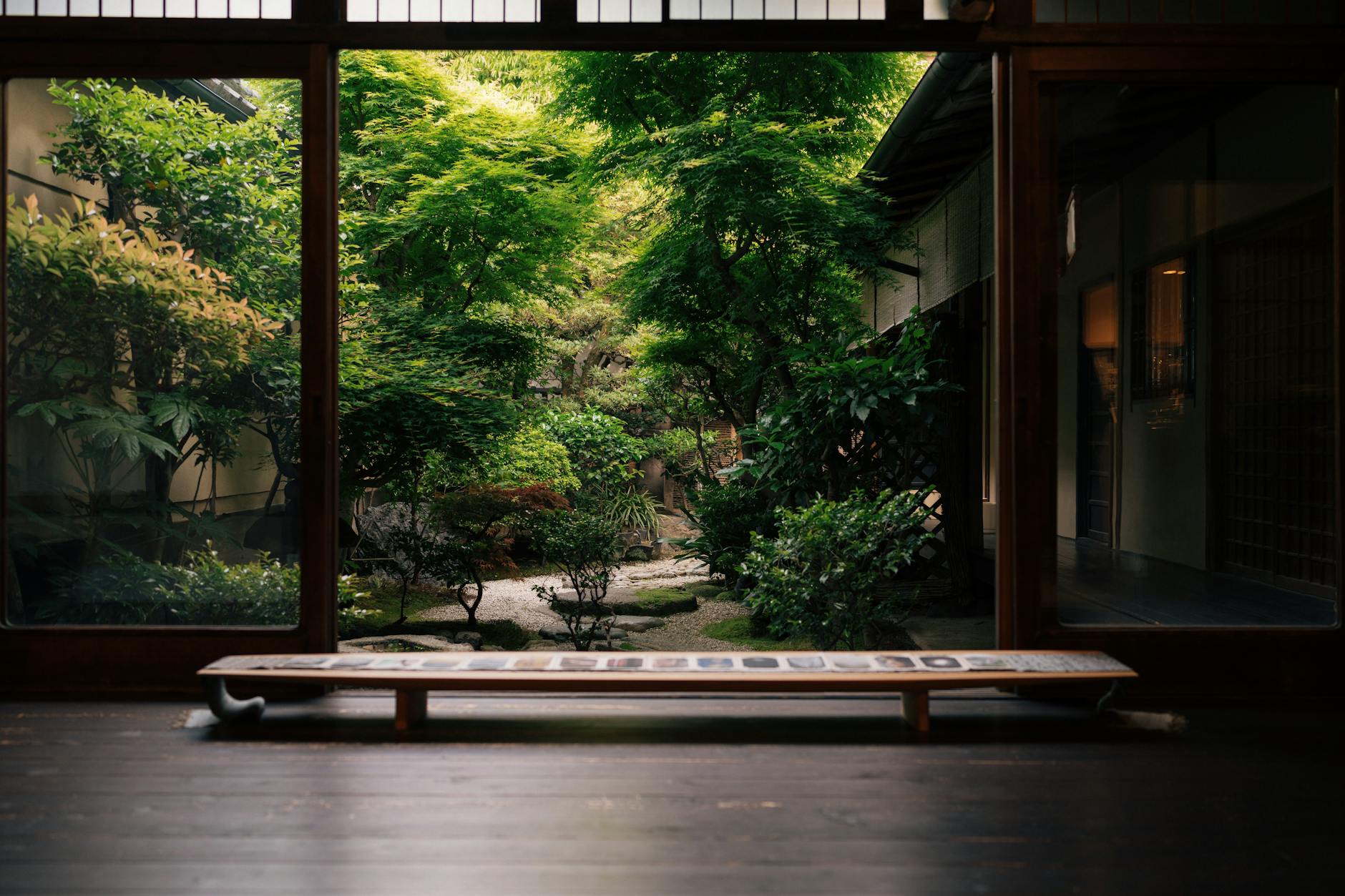
Among the most renowned hidden gardens are the Zen gardens of Japan, which provide refuge from the frenetic pace of modern life. One such garden lies in the heart of Kyoto—Ryoan-ji, a UNESCO World Heritage site. Here, simplicity reigns; carefully raked gravel and strategically placed rocks create a minimalist landscape that encourages contemplation. Visitors often find themselves drawn to its serene beauty, as the placement of each stone symbolizes deeper philosophical meanings within Zen Buddhism.
Though Ryoan-ji is relatively well-known, many smaller Zen gardens, often found in residential temples or private homes, remain undiscovered. These gardens typically feature moss-covered stones, gentle streams, and carefully pruned bonsai. Each element is cultivated not only for aesthetic appeal but also for spiritual reflection. Wandering through these gardens, one cannot help but feel a sense of peace and connection to nature’s rhythm.
Botanical Wonders of Hidden Gardens
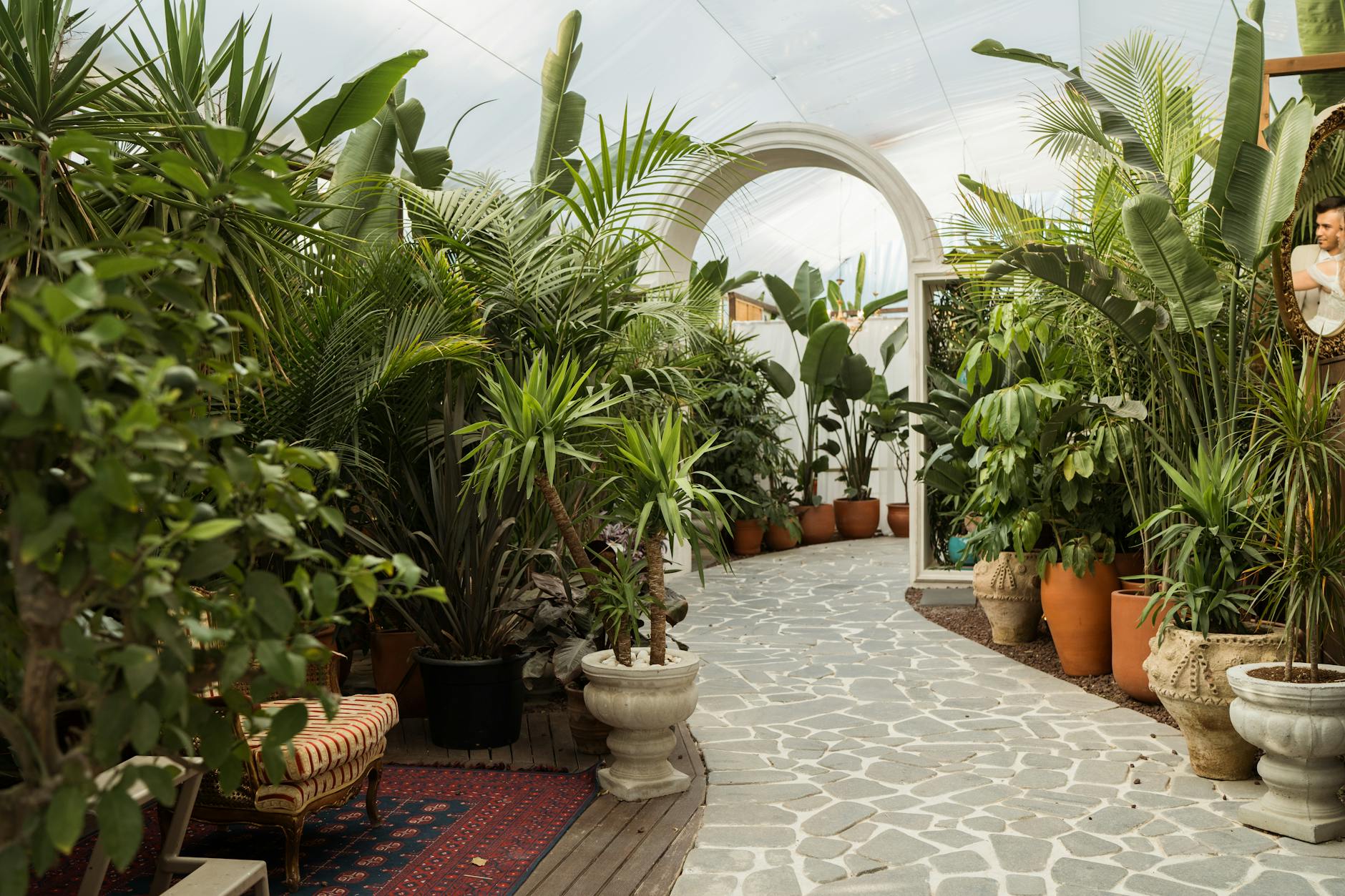
Across the globe, hidden botanical gardens serve as sanctuaries for rare and exotic plants, often overlooked in typical tourist guides. One such garden is the Arboretum de la Vallée-aux-Loups near Paris, France. Nestled within a tranquil valley, this botanical treasure features over 3,000 species of plants and trees from around the world. Its winding paths and secluded spots make it a captivating destination for nature lovers.
While the arboretum exhibits a rich diversity of flora, it is the garden’s ability to evoke a sense of wonder that leaves a lasting impression. Visitors can immerse themselves in a palette of colors, scents, and sounds—a symphony orchestrated by nature itself. From the delicate bloom of tropical orchids to the towering stature of ancient oak trees, each visit reveals something new. Furthermore, the garden hosts educational workshops that invite visitors to learn about conservation efforts and the importance of biodiversity.

Romance and History in Castle Gardens
Hidden gardens are not just about plants; they are often rich with history and romantic tales. Take, for instance, the Gardens of the Château de Villandry in the Loire Valley, France. While somewhat recognized, many fail to explore its lesser-known sections, including the intimate ornamental gardens that lie within its ornate walls. These gardens embody the Renaissance ideal—a balance between nature and architecture, adorned with elaborate floral patterns and ancient hedges.
Strolling through these hidden sections, one can almost hear the whispers of history. Romantic legends of the past come alive amidst the intricate designs, from the “Garden of Love” to the “Vegetable Garden,” where practicality meets aesthetic beauty. Each area reflects a different aspect of romance, encouraging visitors to pause, reflect, and dream. Such gardens invite us to imagine the lives of those who walked before us, creating a palpable connection to time and place.
Secret Urban Gardens: Oases in the City
For city dwellers, discovering hidden gardens within urban settings is akin to finding a breath of fresh air. New York City is home to several secret gardens, one of which is the Elizabeth Street Garden. Tucked away in Nolita, this community garden blends art and nature, featuring sculptures amidst an array of vibrant flowers and plants. It serves as a gathering place for locals, often hosting art exhibitions and events that foster community spirit.
Another gem can be found in the heart of London—the Sky Garden, located atop the 20 Fenchurch Street building. Although it may not be hidden in the traditional sense, the elevated garden provides a stunning panorama of the cityscape combined with beautifully tended greenery, all while offering visitors a tranquil escape amidst the hustle and bustle of city life. Both of these gardens illustrate that even in the heart of urban environments, pockets of greenery can thrive, highlighting nature’s resilience and its integral role in our well-being.
Visiting Hidden Gardens: Tips for Your Journey
Exploring hidden gardens is not merely about the destination; it’s about the journey and the experience. Here are a few tips to enhance your visit:
- Research ahead: Some gardens require prior reservations or have restricted hours. Make sure to check their websites to plan your visit.
- Go during off-peak hours: Early mornings or weekdays tend to be less crowded, allowing for a more intimate experience.
- Be respectful: Many hidden gardens are maintained by local communities. Ensure that you follow any guidelines and leave no trace of your visit.
- Engage with the locals: Often, those who tend to the gardens can share stories and insights that enhance your understanding and appreciation of these magical spaces.
Hidden gardens are treasures of tranquility, offering a respite from the demands of daily life. Whether you find yourself wandering through a Zen garden in Kyoto, exploring a botanical wonderland in Paris, or enjoying the romance of a castle garden, these spaces remind us of the beauty that can be found in the quiet corners of our world. Venture into these hidden gardens, and let nature reveal its secrets, one leaf at a time.
