
In the fast-paced world of interior design, where the latest styles can become outdated in the blink of an eye, the value of heritage brands is often overlooked. These brands bring a depth of craftsmanship, history, and a sense of authenticity to our living spaces that can’t be matched by the latest trends. As consumers become more discerning about their purchases, the appeal of heritage brands is growing stronger. This article explores the significance of heritage brands in design, delving into their enduring principles, craftsmanship, and the emotional connection they foster with consumers.
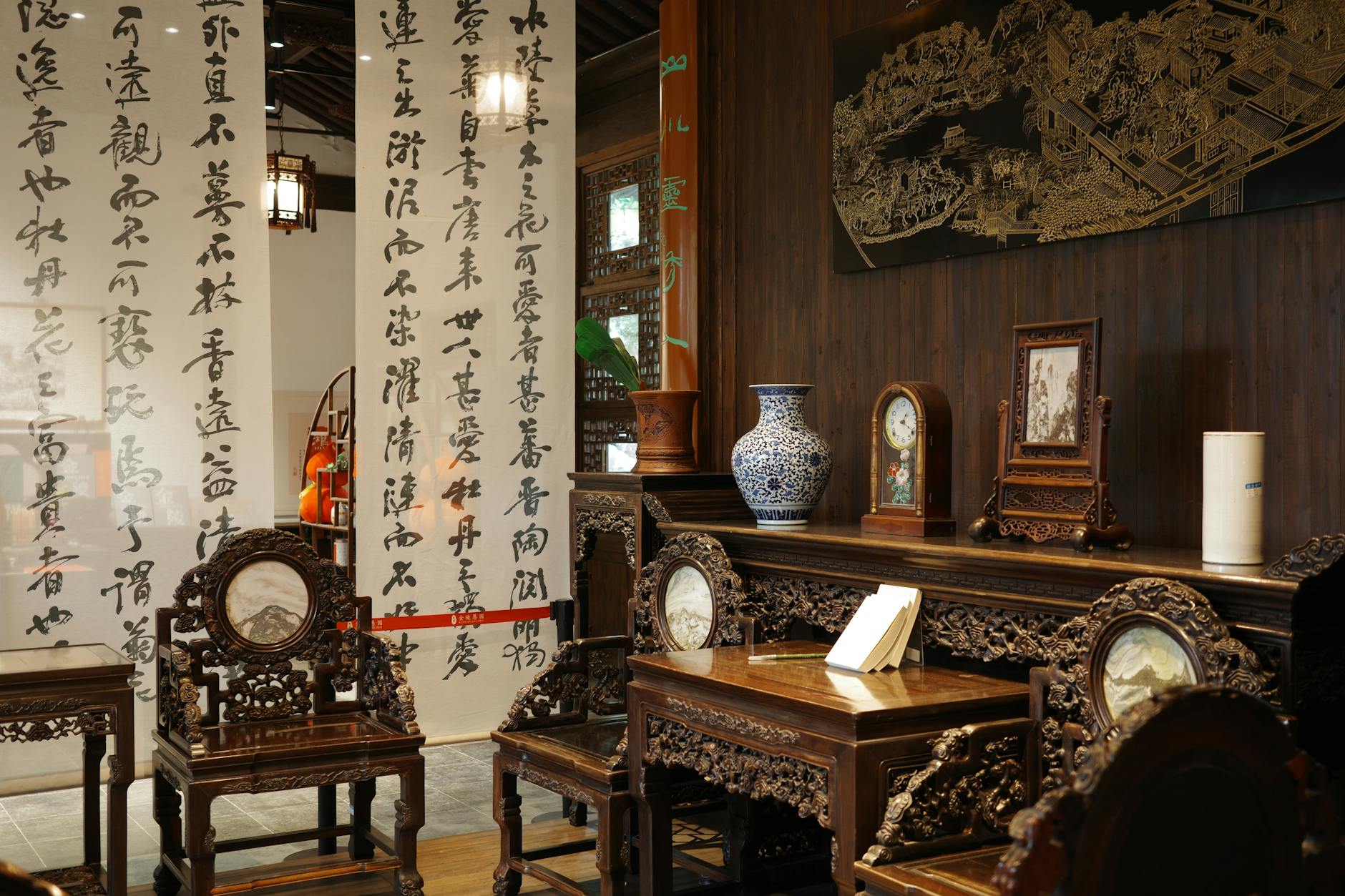
The Allure of Timeless Craftsmanship
Heritage brands are rooted in tradition and craftsmanship, offering products that embody quality and durability. Unlike trendy items that may fall apart after a few seasons, these brands often focus on superior materials and production processes that have been refined over generations. Each piece tells a story, steeped in the culture and history of its origin.
For instance, consider the fine furniture makers of Scandinavia, whose designs are often inspired by nature and characterized by functionality. These artisans have honed their skills over decades, creating pieces that not only serve a purpose but also enhance the beauty of a space. This commitment to craftsmanship is not just about aesthetics; it’s about creating lasting connections between people and their environments.
As consumers increasingly seek uniqueness in their spaces, the handcrafted nature of heritage brands resonates more than mass-produced items. The quality assurance of such products often results in fewer replacements and waste, aligning with sustainable practices that modern homeowners are eager to adopt.
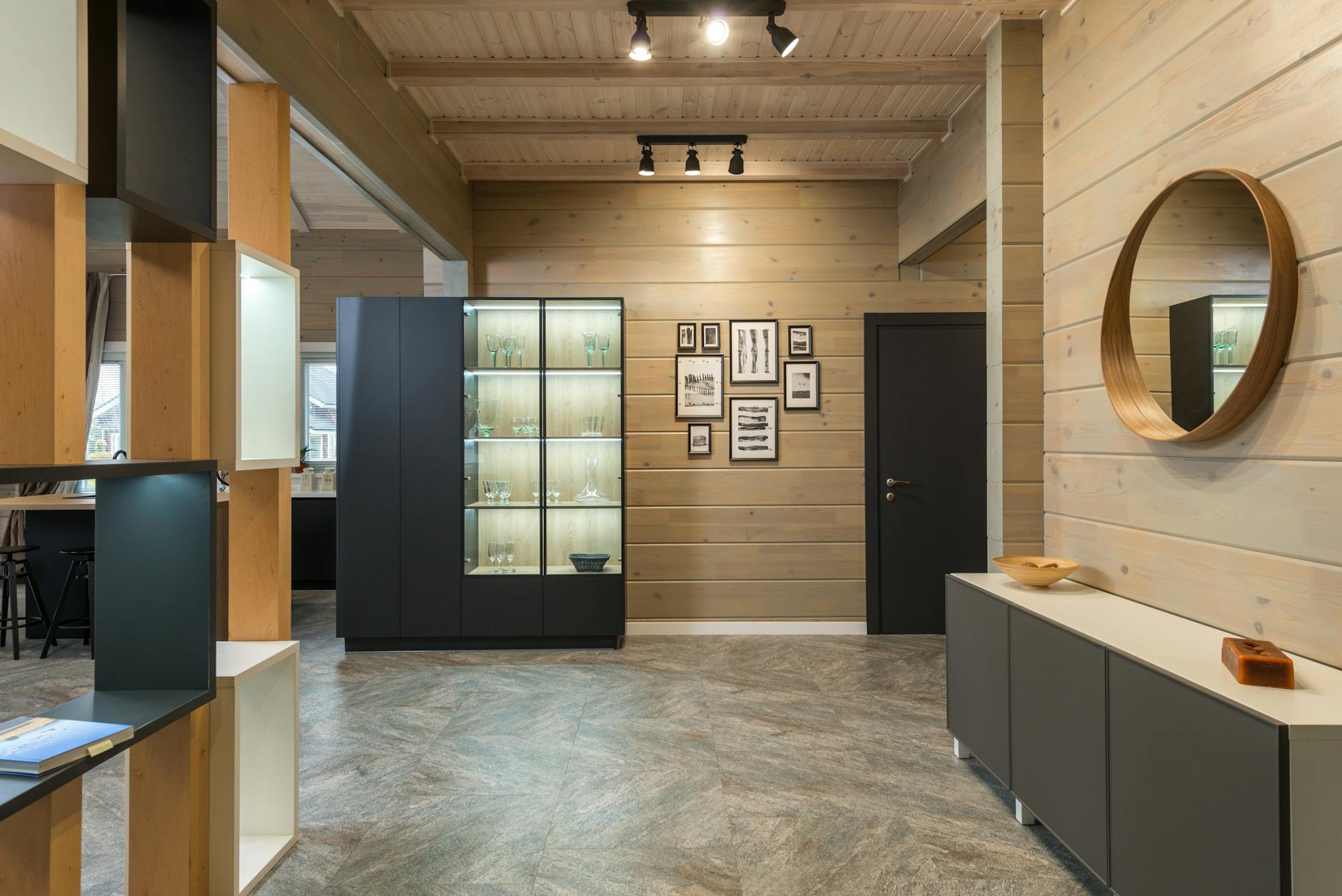
History and Authenticity
In an age of fast fashion and disposable goods, heritage brands convey a sense of authenticity that is incredibly valuable. Each piece from a heritage brand is often imbued with historical significance, reflecting the era and culture from which it originates. This historical context not only adds character but also creates a narrative that buyers can engage with on a personal level.
For example, brands like Farrow & Ball, known for their richly pigmented paints and wallpapers, have a history that dates back to the 1940s. Their color palettes and design philosophies have evolved over time, yet they remain committed to the artisan techniques that ensure quality and authenticity. As homeowners select colors for their spaces, they are not just choosing a shade but also participating in the legacy of a brand that has stood the test of time.
The emotional connection that consumers develop with these brands is palpable. Owning a piece from a heritage brand often feels like possessing a piece of history, something that transcends trends and speaks to a discerning taste that values longevity and significance over the latest fad.
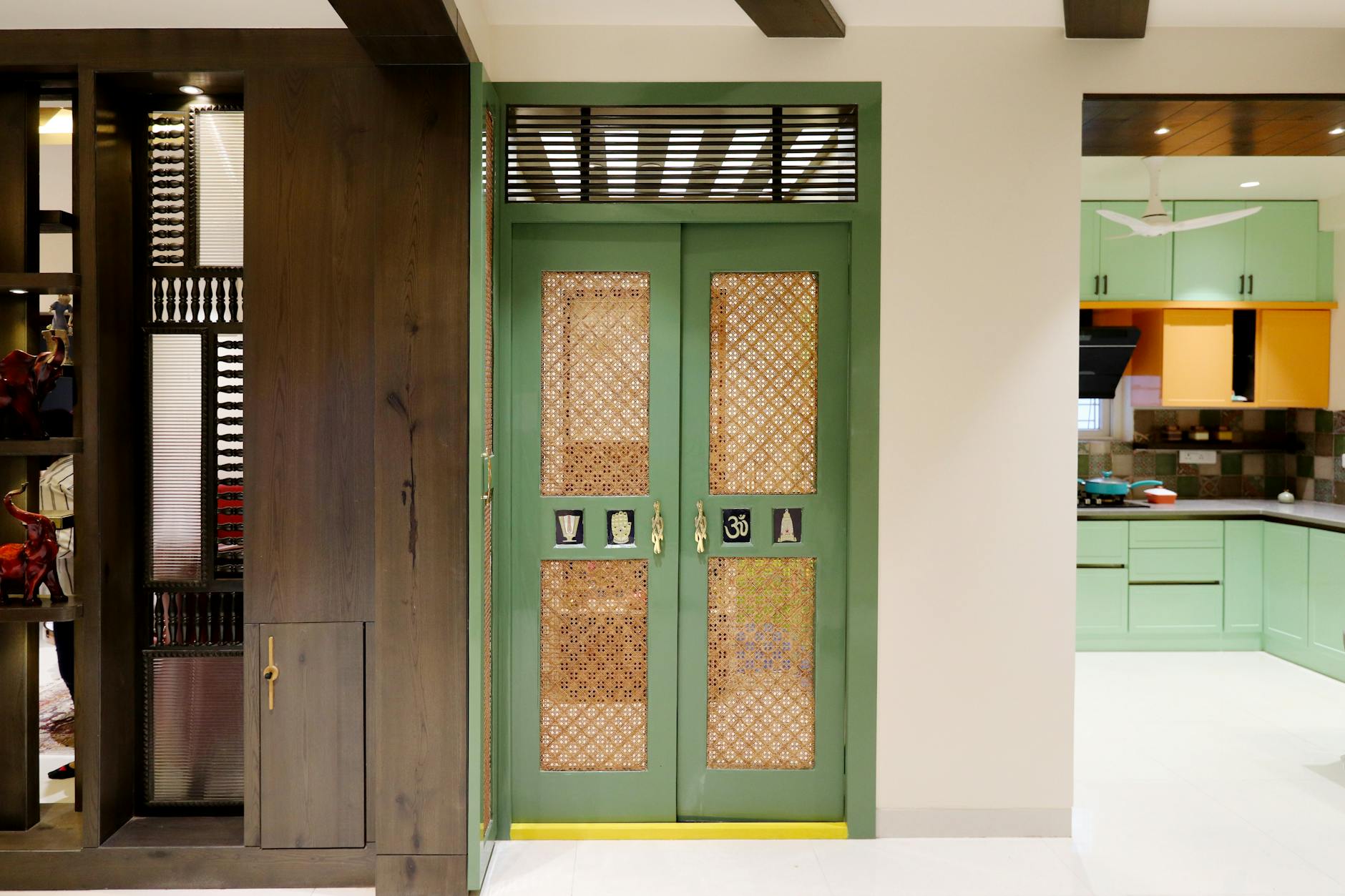
Investment in Value
Investing in heritage brands often proves to be more cost-effective in the long run. While the initial price point may be higher than trendy, mass-produced items, heritage pieces typically retain or even appreciate in value over time. This is not just because of their enduring quality but also due to their rarity and the artisan techniques used in their production—factors that are increasingly appreciated in today’s market.
Furthermore, the increasing consumer awareness about sustainable and ethical practices has led to a surge in demand for heritage brands. People are more willing to invest in items that reflect their values, both morally and aesthetically. By choosing heritage brands, consumers are not only acquiring a product but also supporting the preservation of traditional crafts and local economies.
In contrast, items from fast-moving trends often have a short lifespan, leading to more waste as consumers toss them out in favor of the next big thing. This cycle not only costs consumers more in the long run but is also detrimental to the environment. By investing in heritage brands, consumers make a choice that aligns more closely with sustainable living and conscientious consumerism.
A Personal Touch in Design
Heritage brands offer a personal touch that is hard to find in contemporary design trends. As people curate their living spaces, there is a growing desire for personalization that reflects individual stories and experiences. Heritage brands often provide customizable options, allowing homeowners to infuse their unique tastes and histories into their environments.
For example, companies like Royal Worcester have long been known for their exquisite china, which can be personalized to suit distinct family traditions or commemorate special occasions. Consumers can create a service that not only provides everyday function but also brings sentimentality and personal meaning into a dining experience. This focus on personalization adds depth to a home, transforming it from a mere collection of furniture and decor into a canvas of life stories.
Ultimately, the trend-driven approach to interior design often overlooks the importance of creating spaces that resonate personally and emotionally. Heritage brands, with their deep roots and commitment to the authentic, provide the perfect antidote to the fleeting nature of trends.

In conclusion, heritage brands play a pivotal role in the world of interior design, offering timeless craftsmanship, authenticity, long-term value, and a personal touch that trendy items simply cannot match. As consumers become increasingly aware of their purchasing decisions, the appeal of heritage brands will likely continue to grow. Embracing these brands not only enhances our living spaces but also allows us to connect with history and craftsmanship, creating homes that are not only stylish but meaningful.
