
Creating an effective workspace at home is essential for maximizing productivity and achieving work-life balance. The home office environment is integral to our daily lives, especially in an age where remote work and flexible schedules are becoming the norm. A well-designed workspace fosters creativity, enhances focus, and minimizes distractions, enabling individuals to perform at their best. This article explores the critical aspects of designing a productive workspace at home, considering layout, ergonomics, aesthetics, and technology.
Understanding Your Workspace Needs
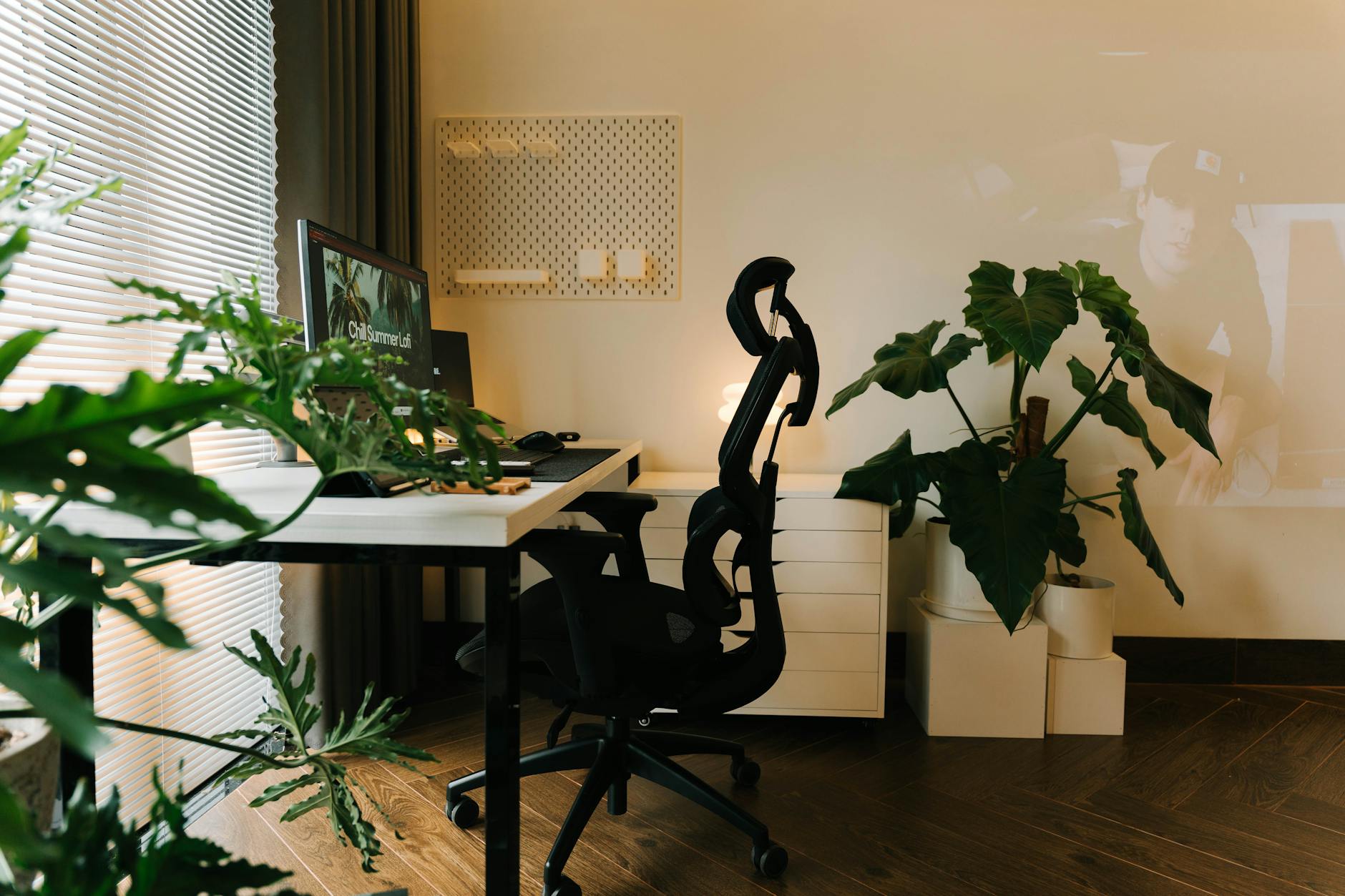
Before diving into the design process, it’s crucial to assess your specific workspace needs. Consider the nature of your work—do you need a quiet space for deep focus, or do you thrive in a collaborative environment? Identifying the primary functions of your workspace is the first step toward making it conducive to productivity. For instance, if you have frequent virtual meetings, ensure your setup includes a dedicated area with good lighting and minimal background noise. If your work requires extensive writing or research, a well-organized desk with ample storage can help keep your focus sharp.
Additionally, think about your daily routine. Do you have children or pets that may create distractions? Understanding these dynamics will help you choose the best location in your home for your workspace. A separate room is ideal, but if that’s not possible, consider utilizing a quiet corner in your living room or bedroom. Your workspace should be a place where you can focus without interruptions, allowing you to maintain a productive flow throughout your day.
The Importance of Ergonomics
Ergonomics plays a pivotal role in any workspace design. An ergonomic setup not only promotes comfort but also helps prevent injuries related to prolonged sitting. Invest in an adjustable chair that supports your back and encourages good posture. Your desk height should align with your elbows to prevent strain on your shoulders and arms. These adjustments can make a significant difference in your overall well-being and productivity.
When positioning your computer monitor, ensure that the top of the screen is at or just below eye level to avoid neck strain. Ideally, the monitor should be about an arm’s length away from your face. If you use a laptop, consider using a laptop stand and an external keyboard and mouse to achieve a comfortable viewing angle. Small changes can create a more favorable environment that supports sustained concentration and reduces the risk of fatigue.
Choosing the Right Aesthetic
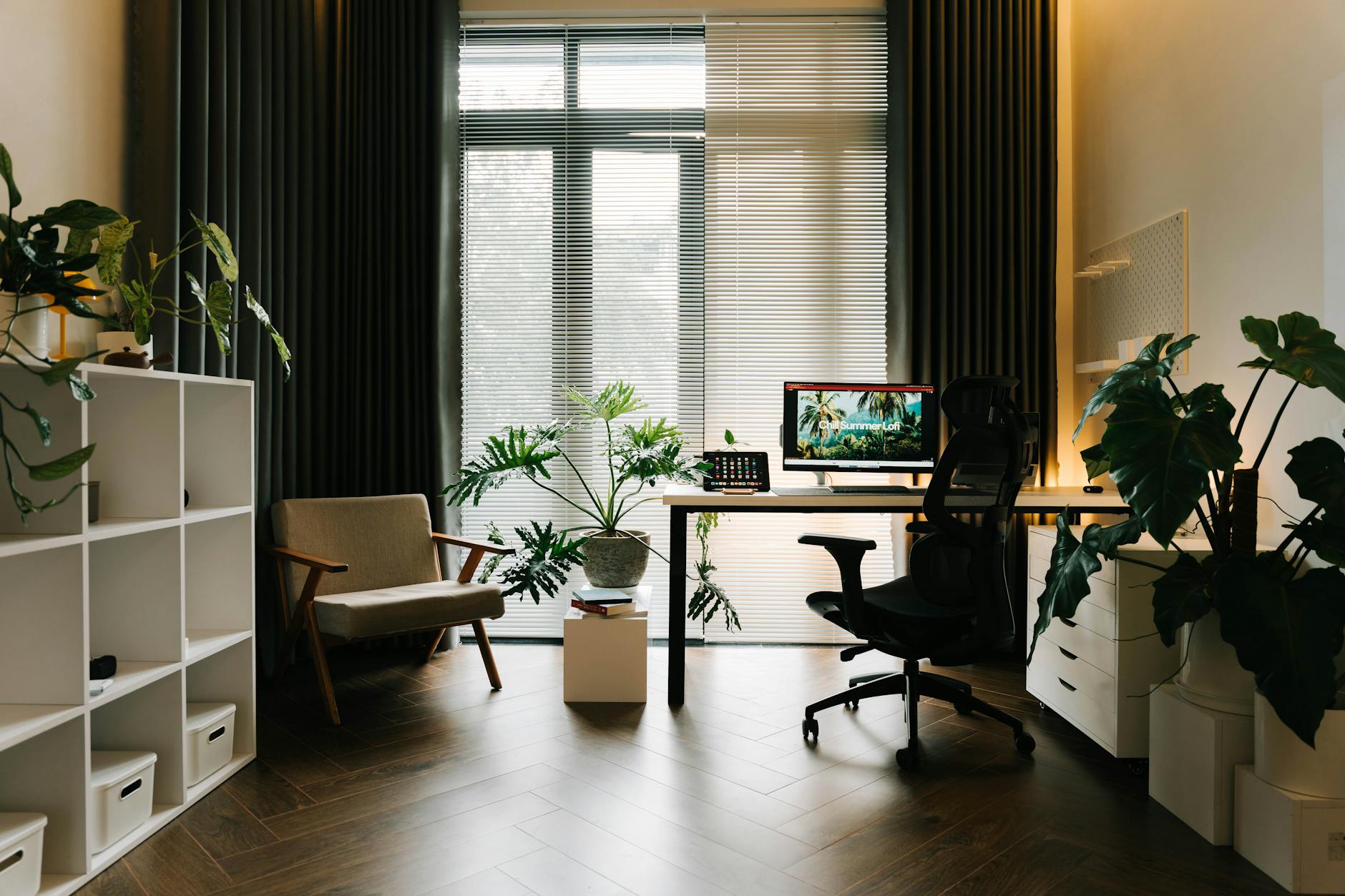
The aesthetic of your workspace greatly influences your mood and productivity levels. A well-thought-out design can inspire creativity and motivation. Start by selecting a color palette that resonates with your personal preferences while promoting focus. Soft blues and greens are known to have calming effects, while brighter accents like yellow can energize the atmosphere.
In addition to color, consider adding personal touches that reflect your personality. Incorporating artwork, plants, or motivational quotes can invigorate your workspace and make it feel unique. Plants, in particular, not only enhance aesthetic appeal but also improve air quality and increase productivity. Make sure to choose low-maintenance plants if you’re concerned about keeping them alive, such as succulents or snake plants.
Lighting is another crucial aspect of workplace aesthetics. Natural light is ideal, so position your desk near windows whenever possible. If your workspace lacks natural light, invest in good-quality task lighting to reduce eye strain and create a welcoming atmosphere. Choose adjustable lamps that allow you to modify the brightness based on the time of day or your specific tasks.
Integrating Technology Effectively
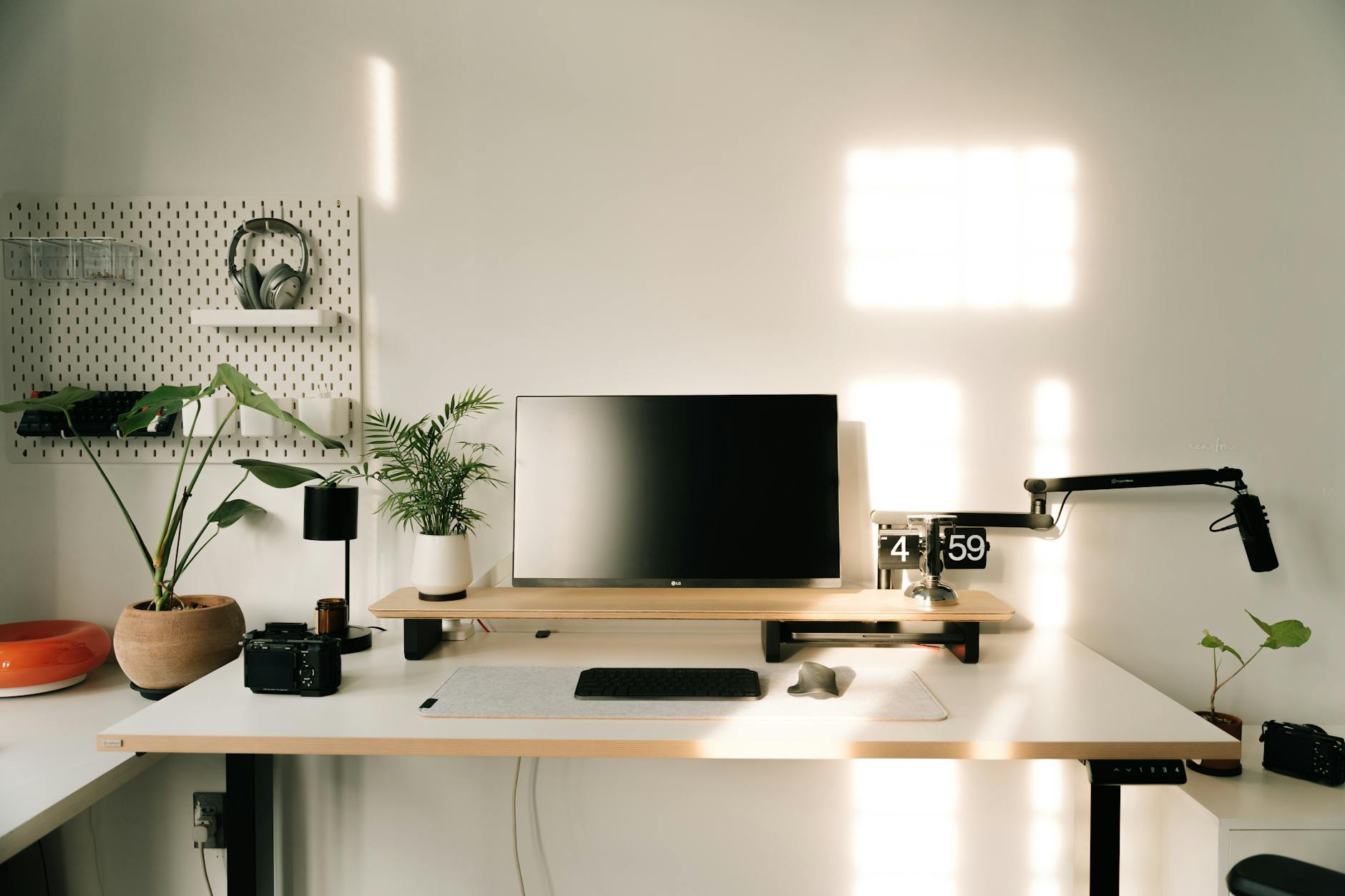
In today’s digital landscape, integrating technology into your workspace is vital for efficiency. Ensure that your workspace is equipped with adequate charging stations for devices, as well as a reliable internet connection. Consider using cable management solutions to keep cords organized and out of sight, creating a tidy and professional-looking environment.
Moreover, explore productivity tools and applications that can help streamline your work processes. Project management software, time-tracking apps, and communication platforms are just a few examples of how technology can enhance workflow. Invest in good-quality audio equipment if your work involves virtual meetings or presentations. Clear audio quality can make a significant difference in communication during these interactions.
Creating Personal Boundaries and Rituals
Finally, establishing personal boundaries and rituals is essential for maintaining productivity in a home workspace. Separate work hours from personal time by adhering to a consistent schedule. This distinction helps you mentally shift from work mode to relaxation mode, leading to better work-life balance. Communicate your schedule with family members or roommates to minimize interruptions during designated work hours.
Incorporating rituals can also enhance productivity. Start each day by outlining your tasks and setting clear goals. Break larger tasks into manageable segments and allow yourself brief breaks to recharge. Techniques such as the Pomodoro Technique—working for 25 minutes and then taking a 5-minute break—can improve focus and prevent burnout.
Another powerful practice is creating an end-of-day routine. Spend a few minutes reviewing what you accomplished, organizing your workspace, and writing down tasks for the next day. This ritual helps you transition out of work mode and prepares you for a smooth start the following day.
Final Thoughts
Designing a productive workspace at home is a multifaceted process that requires careful consideration of layout, ergonomics, aesthetics, and technology. By understanding your specific needs, investing in ergonomic solutions, choosing a motivating aesthetic, integrating effective technology, and establishing personal boundaries, you can create an environment that not only enhances productivity but also enriches your overall work experience. Remember, your workspace is an extension of yourself—it should inspire you, support you, and ultimately help you achieve your goals.
