
Traveling is one of the most enriching experiences one can have, allowing you to immerse yourself in different cultures, cuisines, and landscapes. However, navigating the world of tourism can often lead you into the clutches of well-known traps that promise more than they deliver. These tourist traps can range from overpriced attractions and mediocre dining experiences to crowded locales that offer little value beyond the photo opportunity. In this guide, we will explore how to avoid these pitfalls and make the most of your travels.

Understanding Tourist Traps
Before you can effectively avoid tourist traps, it’s essential to understand what they are. Generally, a tourist trap is a location that attracts visitors primarily for its perceived value, often driven by marketing rather than genuine appeal. These hotspots are designed to capitalize on the influx of tourists, charging exorbitant prices for food, souvenirs, and experiences that may not live up to their billing. The challenge arises because many of these places can be deceptively captivating, luring in travelers with beautiful imagery and enticing promises.
Some common examples include major landmarks that surround themselves with overpriced attractions—think of the area surrounding the Eiffel Tower in Paris or the streets near the Colosseum in Rome. While these places are undeniably iconic, the experiences around them can often be underwhelming. Recognizing these traps is your first step toward an enriching travel experience.
Research Your Destination
The best way to steer clear of tourist traps is to invest time in researching your destination before you arrive. Online forums, travel blogs, and social media platforms can provide invaluable insights into authentic experiences and hidden gems. Websites like TripAdvisor and Yelp can help you find honest reviews and recommendations from fellow travelers. Look for local blogs or social media accounts dedicated to the area, as they often share experiences that might not be covered in traditional guidebooks.
Additionally, consider visiting local tourism offices upon arrival—they often provide maps and brochures that detail lesser-known attractions. These resources enable you to plan a trip that aligns with your interests rather than simply following the herd. Moreover, don’t hesitate to ask locals for their recommendations. They can provide insights into less commercialized neighborhoods, unique eateries, and cultural events that allow you to avoid the well-trodden paths.
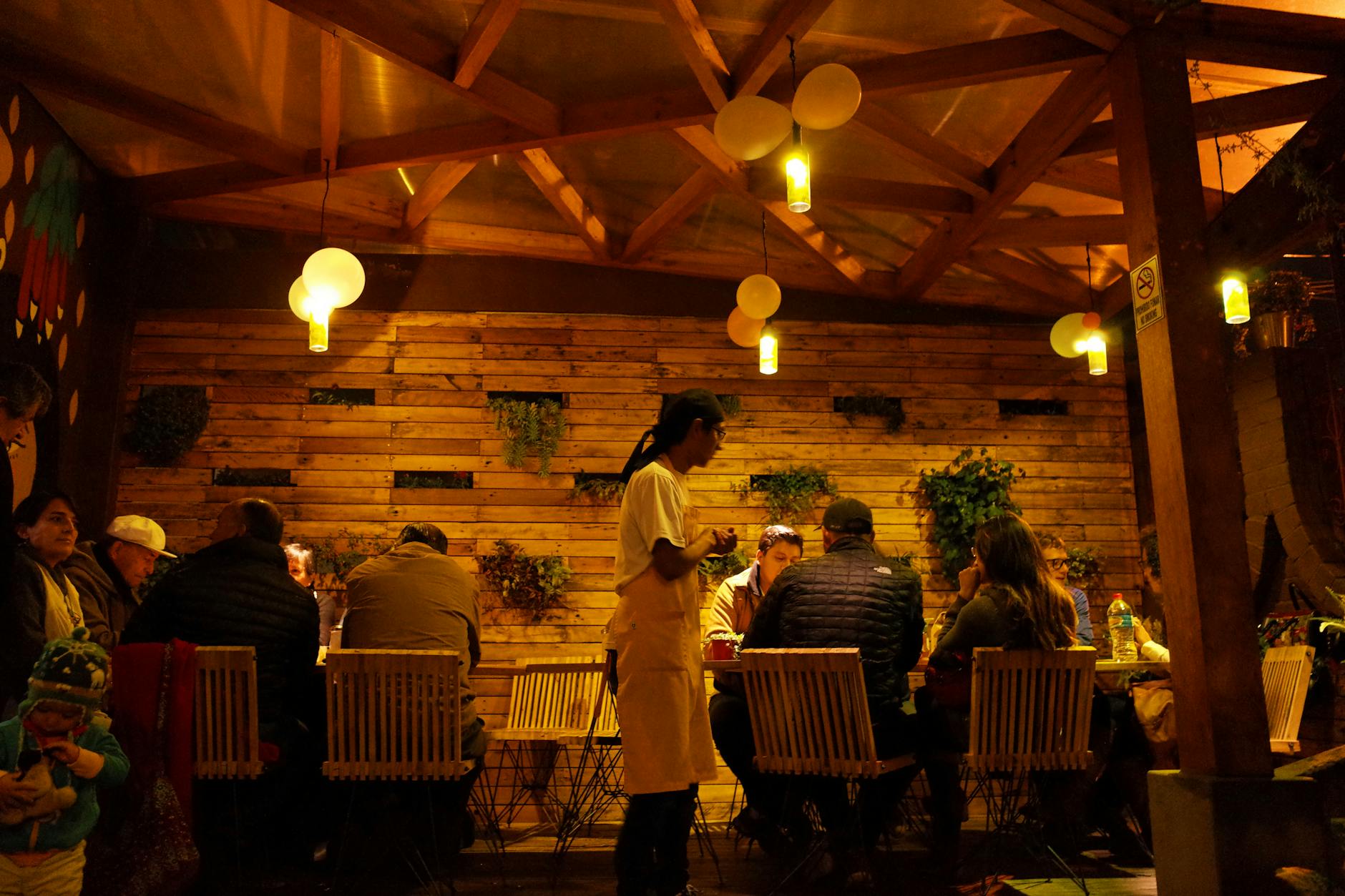
Timing Is Everything
Timing plays a crucial role in determining whether you’ll fall victim to tourist traps. Popular destinations can become overcrowded during peak seasons, leading to long waits, inflated prices, and a diluted experience. If possible, plan your visit during the shoulder season—the period just before or after the peak tourist season—when attractions are less crowded, and you may find better deals on accommodations and tours.
Furthermore, adjust your itinerary to include visits to popular sites during less busy times of the day. For instance, visiting landmarks early in the morning or later in the evening can provide a more serene experience, allowing you to enjoy the surroundings without being inundated by crowds. This strategy not only helps you avoid tourist traps but also gives you more opportunities for stunning photos without the distractions of other tourists.
Explore Beyond the Beaten Path
One of the most effective ways to evade tourist traps is to actively seek out alternative attractions and experiences. Rather than opting for the well-known museums or landmarks, consider visiting smaller, lesser-known establishments that showcase local culture and heritage. For example, rather than the Louvre, you might explore smaller galleries or artisan workshops that offer deeper insights into the region’s artistic heritage.
Additionally, exploring neighborhoods that are off the main tourist circuit can reveal vibrant local life and unique attractions. Markets, street fairs, or community gatherings often reflect the heart of a destination, offering authentic food, art, and music. Utilize public transport or local biking options to explore these areas, allowing for a more immersive experience. Not only will you avoid the high prices associated with tourist hotspots, but you’ll also gain a more genuine understanding of the locale.

Mind the Prices
When you’re in a tourist-heavy area, prices for food, souvenirs, goods, and services can skyrocket. Before making purchases, it’s wise to be aware of average prices in your destination. Use local apps and websites that provide price comparisons to get a better idea of what you should expect to pay. For dining, try to choose restaurants that locals frequent instead of those that cater only to tourists; these establishments often offer better-quality meals at lower prices.
Another helpful tip is to avoid purchasing souvenirs at major attractions. Shops around these sights often mark up prices significantly compared to local markets or smaller shops. Instead, take the time to explore local crafts or artisanal goods that not only offer better quality but also provide a more authentic representation of your travel experience. Not only will you save money, but you’ll also bring home unique and meaningful souvenirs.
Trust Your Instincts
Lastly, always trust your gut feelings as you navigate a new destination. If something seems too good to be true, it probably is. Be mindful of aggressive sales pitches, overly eager tour guides, or attractions that lack transparency in their pricing. If you find yourself in a place filled with tourists but very few locals, it might be a sign that you’re in a tourist trap. Making decisions based on intuition can often lead you to more rewarding experiences.
In essence, avoiding tourist traps comes down to preparation, exploration, and being aware of your surroundings. Ultimately, the most memorable travel experiences come from a place of authenticity and connection. By following these guidelines, not only can you bypass these pitfalls, but you’ll also enrich your journey with genuine experiences that you can cherish for years to come.
